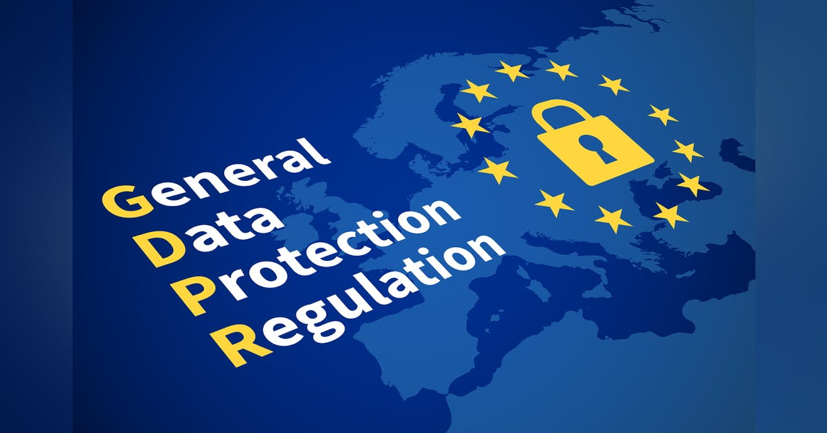
How to Buy B2B Data Without Breaking GDPR (or CCPA, or CASL)
Every data provider claims to be “fully compliant.” Almost none of them explain what that means — and the difference matters, because when a regulator comes asking, “our vendor said it was fine” is not a defense. The buyer shares responsibility for how data was sourced and how it’s used. If you’re purchasing B2B contact or install-base data for campaigns in Europe, North America, or Canada, here’s what compliance actually looks like region by region, and how to verify it before you sign.
The Three Regimes You’ll Actually Encounter
Most B2B data purchases run into one of three frameworks. GDPR (EU/UK) is the strictest on paper but does permit B2B direct marketing under “legitimate interest” — provided the data is relevant to the person’s professional role, they’re told where their data came from, and they can object or be erased easily. CCPA (California) is less about consent and more about disclosure and opt-out rights — people can demand to know what’s held about them and require it not be sold. CASL (Canada) is the strictest of the three for outreach itself: commercial email generally requires consent, with narrow exemptions for existing business relationships and conspicuously published business contact details.
GDPR
Legitimate interest can cover B2B outreach, with transparency and objection rights
CCPA
Disclosure and opt-out obligations, including on data “sales”
CASL
Consent-first regime; the toughest bar for cold email in Canada
Six Questions to Ask Any Data Provider Before Buying
- Where was this data sourced? Vague answers (“public sources”) without specifics are a warning sign
- What’s your lawful basis for processing EU records — and can you document it?
- How do you handle erasure and objection requests, and do those flow through to data already delivered to clients?
- How often is the data re-verified? Compliance decays along with accuracy — a lawful record from 2023 may not be lawful today
- Do you suppress records against known objection/opt-out lists before delivery?
- Will you put your compliance posture in the contract, not just on the website?
The simplest compliance test: ask the provider to explain, in writing, the lawful basis for one specific record in your sample file. A serious vendor can answer. A reseller of scraped data usually can’t.
What Getting It Wrong Actually Costs
The obvious risk is regulatory — GDPR fines can reach 4% of global turnover, and CASL penalties run to millions of dollars per violation. But the more common cost is quieter: spam complaints that burn sending domains, prospects in EMEA who escalate instead of unsubscribing, and enterprise deals that die in vendor security review because your data sourcing couldn’t survive a due-diligence questionnaire. Compliance isn’t just legal protection — it’s deliverability and deal protection.
Compliant data isn’t a certificate a vendor shows you. It’s a set of practices you can verify — sourcing, transparency, suppression, and re-verification.
How Revnity Marketing Approaches This
Revnity Marketiing maintains compliance with GDPR, CCPA, and CASL across coverage spanning 105+ countries — with documented sourcing, suppression handling, and re-verification built into delivery rather than bolted on afterward. Combined with verified accuracy (see [why most technographic data is wrong]), that means the data you buy is both usable and defensible. Explore our [Technographic Data] coverage, or read [how to improve email deliverability with verified data] for the sending side of the equation.
Need data that survives a compliance review?